A Sports Facility Is Never Just a Sports Facility
Peddle Thorp Architects Principal, Rob Alessi, discusses how sports facilities can support performance, community use and everyday life without letting the architecture get in the way.
Sporting facilities are no longer used only for training, competition or match day. They are places for clubs, schools, families, athletes, spectators, volunteers and the wider community.
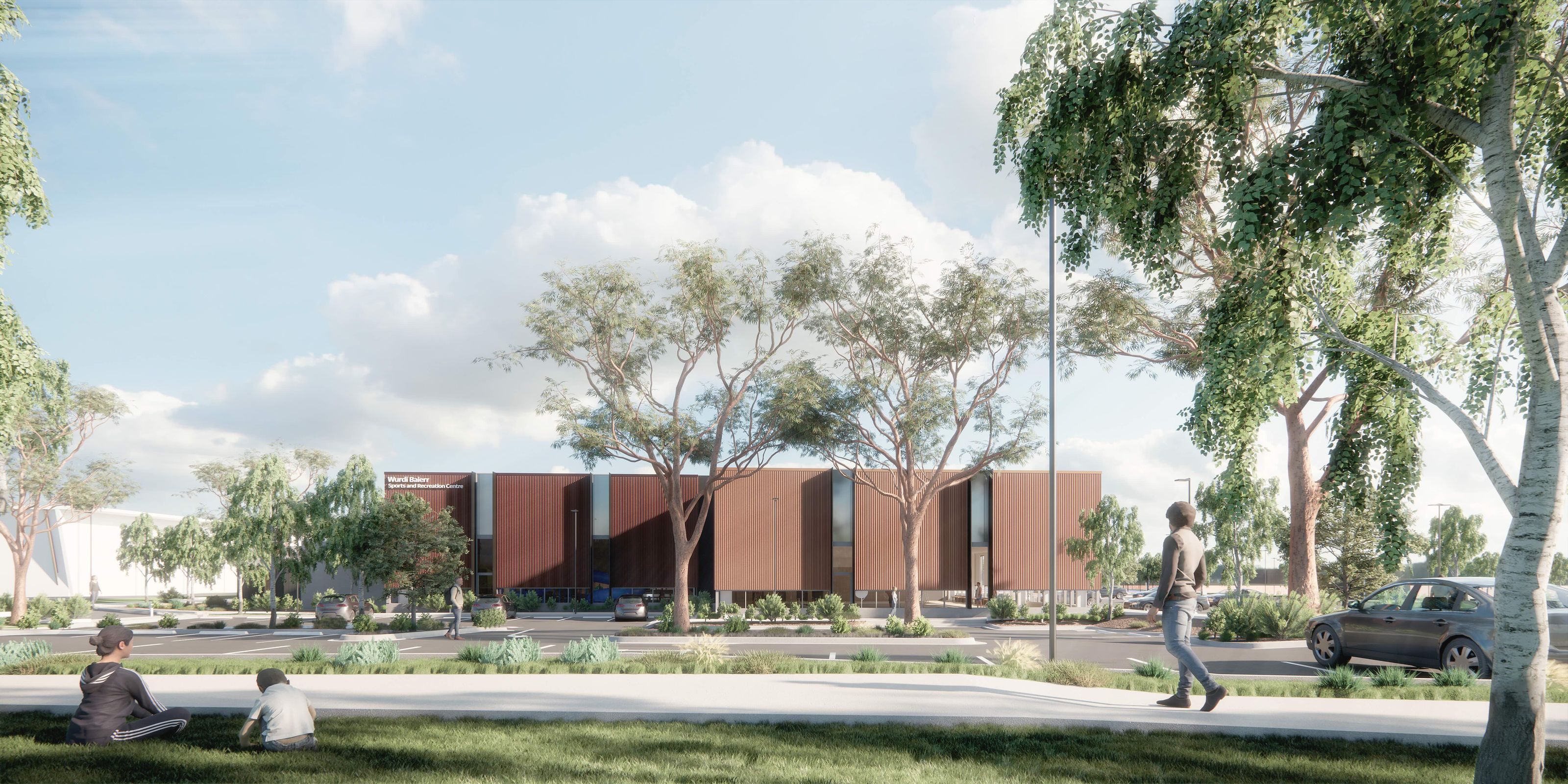
As our Sports Sector Leader, Principal Rob Alessi, understands how these facilities need to work in practice. Across projects including Devonport Oval Sports Complex, Wurdi Baierr Aquatic and Recreation Centre, and the Kennedy Community Centre for Hawthorn Football Club, Rob’s work reflects the changing role of sport in public life.
The best sports facilities support serious performance without closing themselves off from the community. They need to be practical, welcoming and easy to use. They also need to keep working well long after opening day.
We spoke with Rob about what makes a sports facility successful, and why good design starts with understanding how people will actually use the place.
“Good sports architecture should not compete with the game. It should support the people who play, watch and use the place every day.”
1. What has changed in the way sports facilities are designed?
Sports facilities are being asked to do much more than they once did.
A project may still need to meet training, competition and spectator requirements, but that is only part of the brief. Many facilities now also support health, recreation, education, events, administration, recovery and community use.
That means the design has to work for many different people at different times of the day. Elite athletes may use the facility in the morning, school groups during the day, local clubs in the evening and spectators on the weekend.
Good planning is what makes that possible. The building needs to be easy to understand, efficient to run and flexible enough to change over time.
The strongest sports projects are not designed around one event or one user group. They are designed to support sport and community use every day.
.avif)
2. How do you balance elite sport with community use?
You need to understand where separation is required and where connection is valuable.
Elite sport needs a very clear level of control. Athletes need efficient access to training areas, recovery spaces, medical rooms, change rooms and staff areas. These spaces need to work smoothly and protect the focus of the team.
Community areas need a different approach. They need to feel open, clear and welcoming. People should understand where to enter, where to go and how the facility can be used.
The aim is not to mix everything together. The aim is to plan the building carefully so public, shared and private areas each work properly.
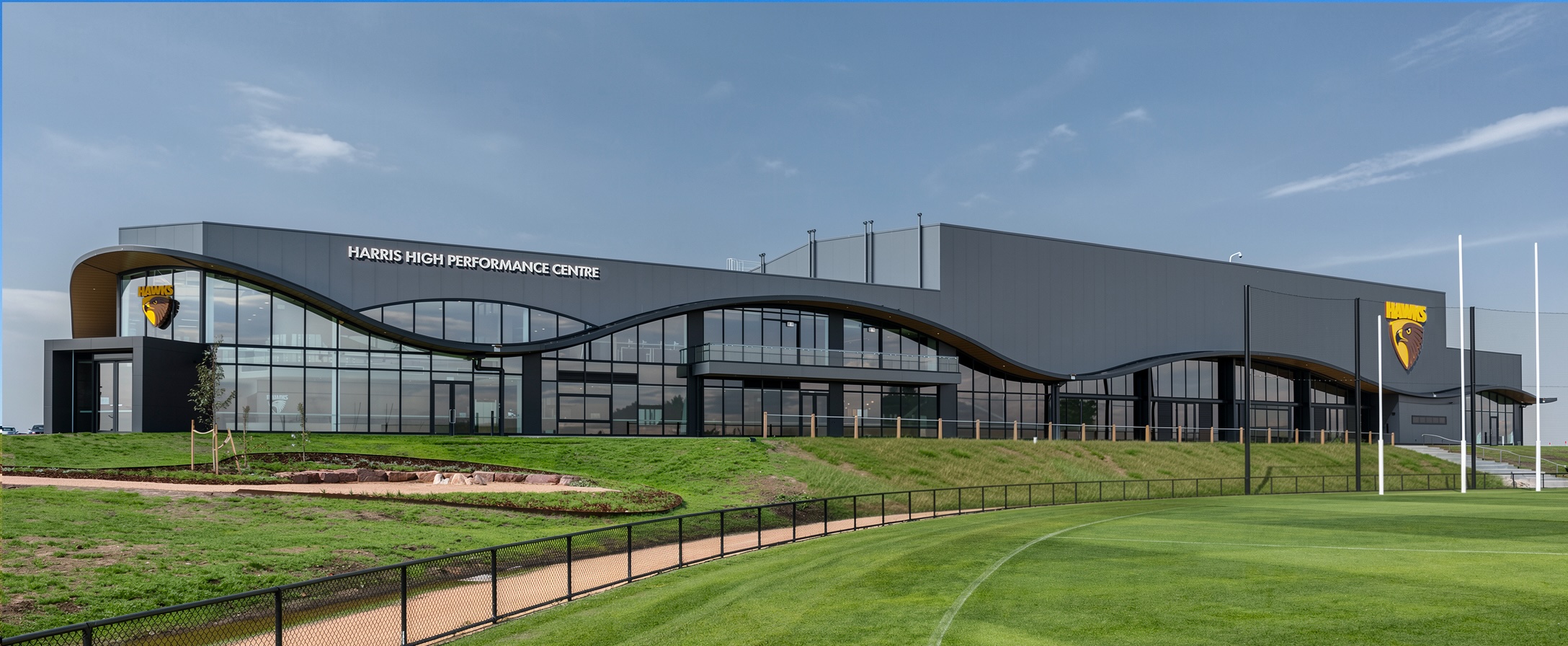
The Kennedy Community Centre is a good example of this approach. It provides a specialised home for Hawthorn Football Club, while also showing how modern sports facilities can create a stronger connection between clubs and the communities around them.
3. What makes a sports facility successful beyond match day?
A successful sports facility should not feel empty or inactive when there is no major event.
It should support daily use. That might include training, school programs, casual recreation, meetings, recovery, fitness, local sport and community activities.
Movement through the site is one of the most important things to get right. Athletes, spectators, staff, officials, maintenance teams and the public all use the facility in different ways. If those paths are not planned well, the building can quickly become confusing or difficult to run.
Flexibility is also important. Sporting codes change. Clubs grow. Participation changes. A facility that is designed too tightly around today’s needs can become limited very quickly.
Good sports architecture gives the building a clear structure, while allowing it to adapt.
.avif)
4. What defines your approach as Sports Sector Leader?
Sports facilities need to be practical first. They need to meet sporting standards, support safe movement, work within budget and respond to the needs of many user groups.
But good sports design should also look beyond the technical brief.
A well designed facility can help more people take part in sport. It can help clubs connect with their communities. It can support healthier, more active places.
My role is to help clients see what their project can become. Not just a building, but a place that supports sport, community and everyday use over time.
Looking ahead
Across projects including Devonport Oval Sports Complex, Wurdi Baierr Aquatic and Recreation Centre, and the Kennedy Community Centre, Rob Alessi’s work shows how sports architecture is changing.
These facilities are not just places for competition. They support performance, participation, health and community life.
For Rob, success is not about architecture taking centre stage. It is about creating places that work well, feel welcoming and support the game without getting in its way.