
Beyond the Apartment: Designing Density Around Everyday Life
What makes higher density living feel like a neighbourhood, not simply a collection of apartments?
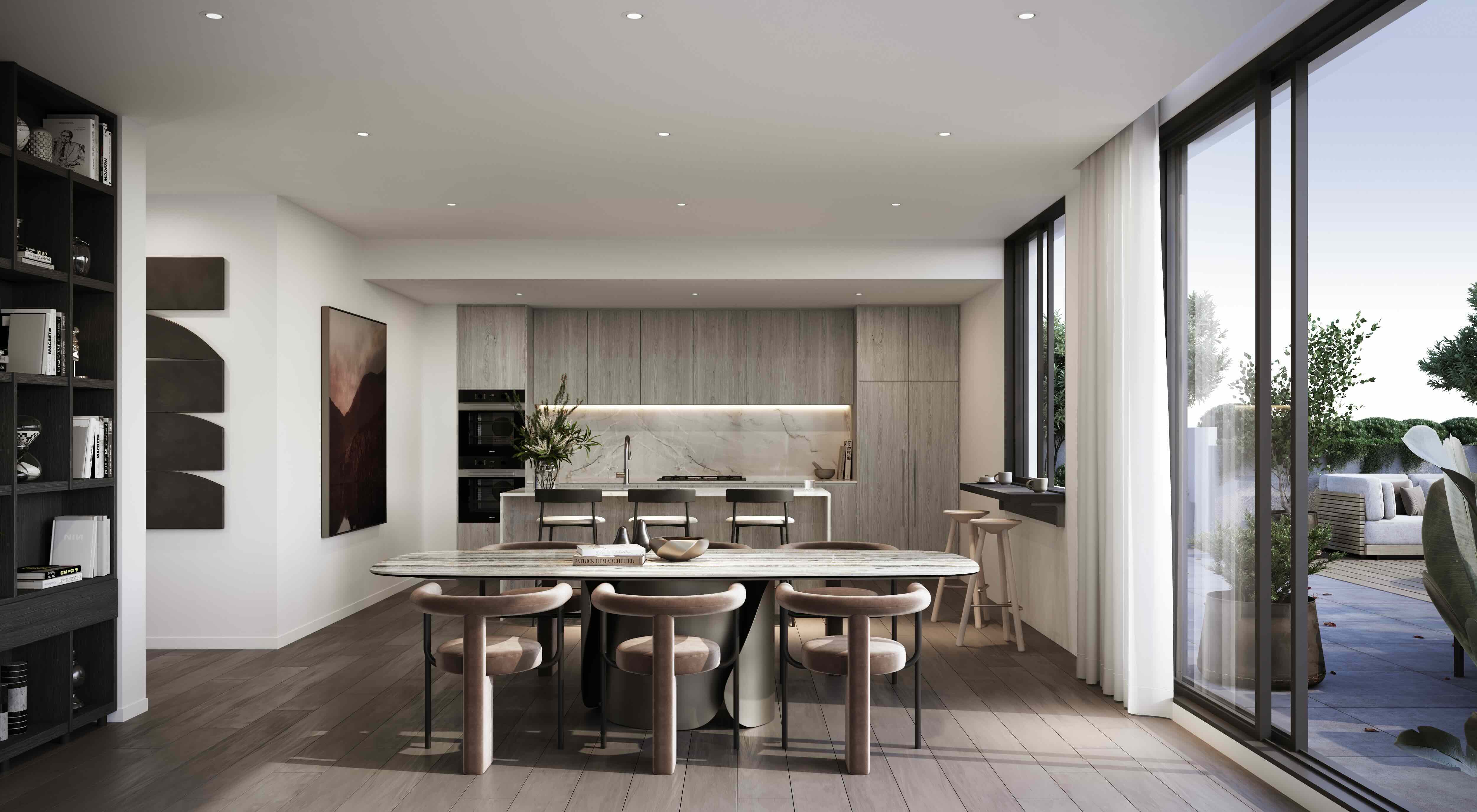
As Australian cities continue to grow, the conversation around residential density is becoming less about how many homes can fit on a site and more about the quality of life those developments can support.
For Peddle Thorp Architects, higher density housing needs to consider the experience beyond the front door. How residents arrive, move through a precinct, access landscape and amenity, find privacy and connect with their wider neighbourhood all contribute to whether a development feels like somewhere to live rather than simply somewhere to reside.
RiverQuay in Footscray brings these ideas together within a major residential precinct on the banks of the Maribyrnong River.
Footscray is a dynamic, vibrant community with a distinctive multicultural history and thriving future. PTA is pleased to contribute to the area's burgeoning, high-density residential amenity, offering a new generation of apartment dwellers a state-of-the-art home. - Rob Page, Director
Starting With the Space Between
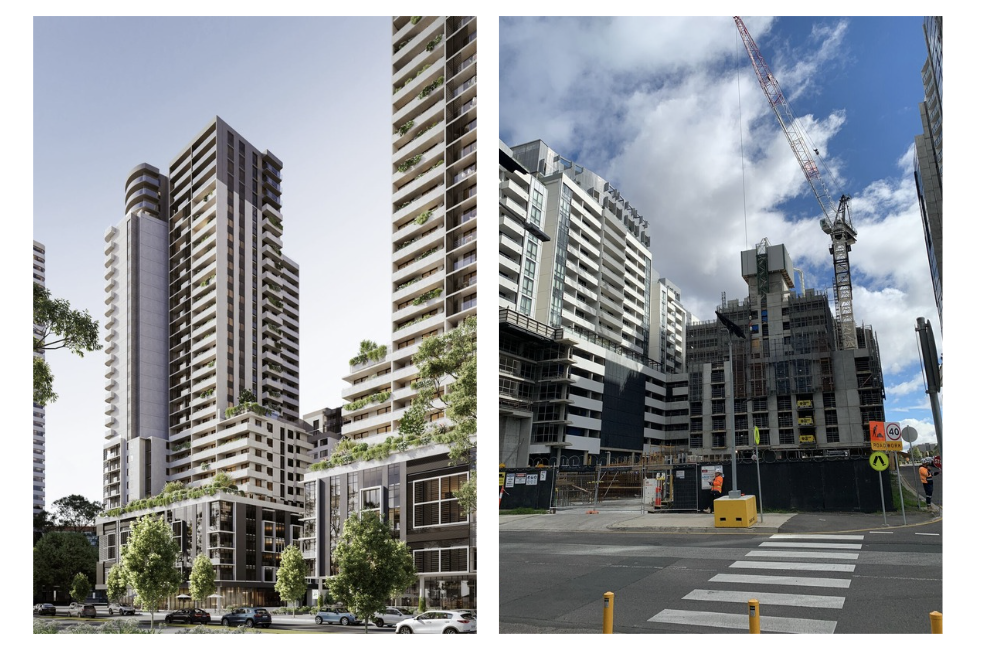
At RiverQuay, the relationship between the five residential towers is as important as the buildings themselves.
A landscaped promenade forms the heart of the precinct, creating a shared ground plane that connects residential life with leisure and everyday amenity. Rather than treating landscape and communal space as secondary to the architecture, they help organise how people experience and move through the development.
This becomes particularly important as residential density increases. Shared spaces need to do more than fill the gaps between buildings. They can create opportunities for movement, interaction and moments of retreat, while giving a larger development a more human scale at ground level.
.avif)
Different Experiences of Home
Density does not mean designing for one way of living.
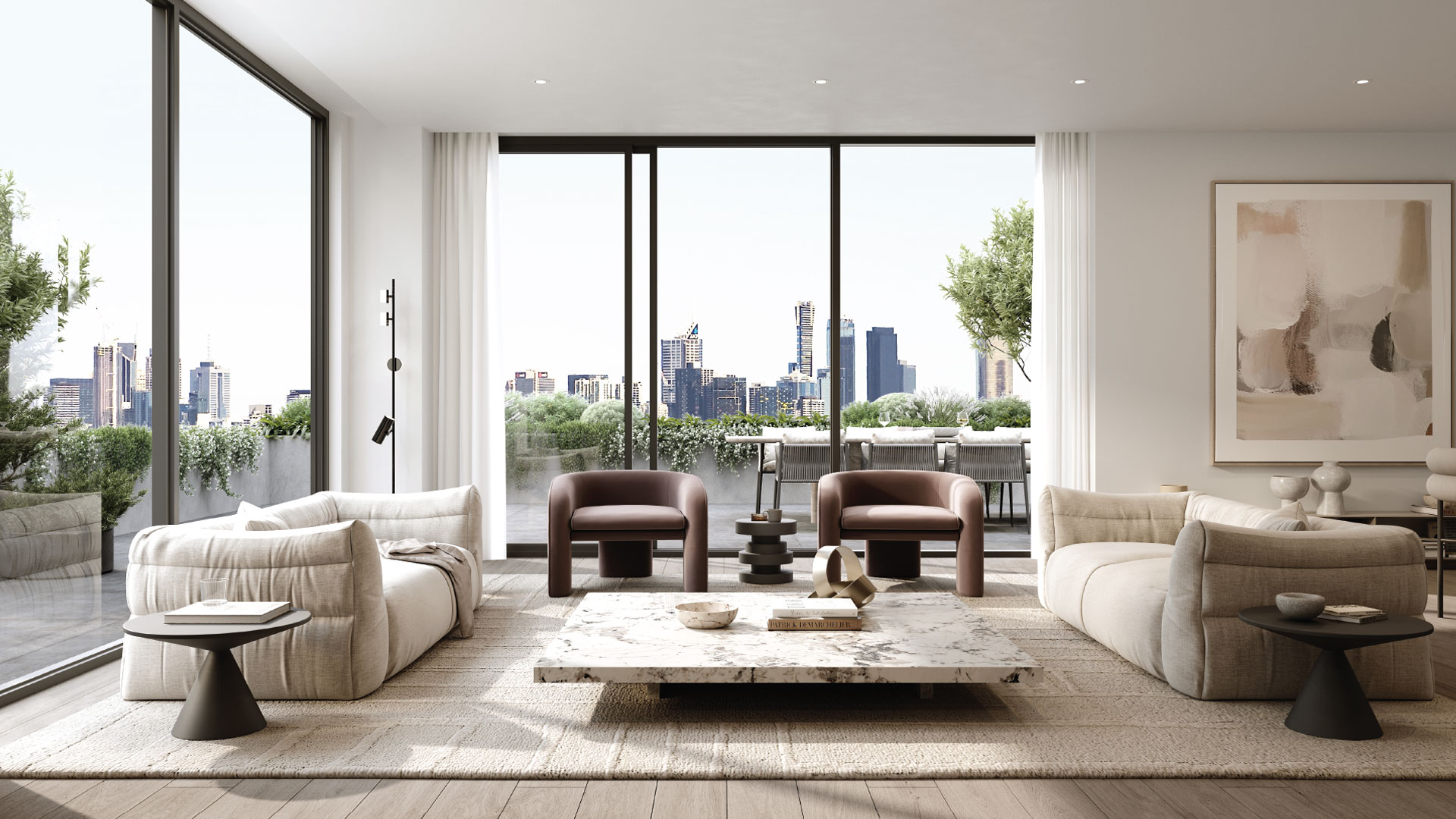
RiverQuay brings together a range of residential experiences within the towers. Spacious residences at the lower levels prioritise privacy and indoor outdoor living, while expansive sky homes take advantage of elevation and outlook.
This variety reflects a broader shift in residential design. People increasingly expect their homes to respond to different lifestyles, household needs and ways of using space.
For architects, the challenge is to accommodate that diversity while creating a coherent building and precinct. Orientation, outlook, privacy, natural light, circulation and access to shared amenity all become part of the same architectural conversation.
From Development to Neighbourhood
The success of higher density housing is also determined by how it contributes beyond its own boundaries.
RiverQuay sits within a rapidly evolving part of Footscray, where new housing is becoming part of an established and changing urban community. Its role is therefore not only to provide new residences, but to contribute to the experience of the wider precinct.
Creating a walkable ground plane, connecting people with landscape and amenity, and establishing spaces where residents can spend time outside their homes all help shift the project from a collection of apartments towards a more complete residential neighbourhood.
As RiverQuay continues to take shape, it demonstrates the opportunity within higher density residential design. More homes do not need to mean less liveability. With careful planning at both the building and precinct scale, density can support greater choice, stronger connections and better places to live.
For Peddle Thorp Architects, that is where the opportunity lies: designing residential environments around the quality of everyday life.
.avif)

